Travel in Morocco: The Ultimate Guide to History, Culture, and Adventure
Table of Contents
Morocco is a land where time seems to stand still in the ancient medinas, yet moves vibrantly in its modern cities. For anyone looking to travel in Morocco, the experience is a sensory feast—from the aromatic spices wafting through Marrakech’s souks to the silent majesty of the Sahara dunes stretching endlessly toward the horizon. This North African gem offers travelers an intoxicating blend of Arab, Berber, and European influences that create a destination unlike any other.
In this comprehensive guide, we will take you through the heart of the Kingdom, exploring its rich dynastic history, the best places to visit in Morocco, and essential Morocco travel tips that will help you plan the perfect journey. Whether you’re a first-time visitor or a seasoned traveler, understanding Morocco’s cultural tapestry will transform your adventure into an unforgettable experience.
A Glimpse into the Dynastic History of Morocco
To truly appreciate your travel in Morocco, you must first understand the fascinating tapestry of its past. The story of this ancient kingdom is written in the architecture of its imperial cities, the traditions of its people, and the monuments that have witnessed centuries of change. Morocco’s dynastic history is one of the most compelling narratives in North African heritage, shaped by powerful rulers who left an indelible mark on the nation’s identity.
The Idrissid Dynasty: Founders of the First Moroccan State
The Idrissid Dynasty, established in the late 8th century, marked the birth of the first Moroccan Islamic state. Founded by Idris I, who descended from the Prophet Muhammad, this dynasty chose Fes as their capital and transformed it into a center of learning and culture. The stunning University of Al Quaraouiyine, founded in 859 CE and recognized by UNESCO as the world’s oldest continuously operating educational institution, stands as a testament to this golden age. When you travel in Morocco and walk through the labyrinthine streets of Fes el-Bali, you’re literally stepping through the pages of medieval Islamic history.
The Almoravids and Almohads: Empire Builders
The 11th and 12th centuries witnessed the rise of two powerful Berber dynasties that expanded Morocco’s influence across North Africa and into Spain. The Almoravids built the iconic Koutoubia Mosque in Marrakech, whose 77-meter minaret has dominated the city’s skyline for nearly 900 years. The Almohads, who succeeded them, were master architects and military strategists who created some of Morocco’s most enduring monuments. Their legacy includes the magnificent Hassan Tower in Rabat and the architectural foundations that make Morocco’s imperial cities such treasured destinations for modern travelers.
The Saadian Dynasty: The Golden Age of Marrakech
The 16th and 17th centuries saw the Saadian Dynasty transform Marrakech into a jewel of the Islamic world. This period is known for remarkable artistic and architectural achievements, including the breathtaking Saadian Tombs, which lay hidden for centuries until their rediscovery in 1917. The intricate tilework, carved cedar ceilings, and pristine marble columns of these tombs represent the pinnacle of Moroccan craftsmanship. For anyone planning to travel in Morocco, the Saadian Tombs are an absolute must-see, offering a window into the opulence and sophistication of this golden era.
The Alaouite Dynasty: Modern Morocco’s Ruling Family
Since the 17th century, the Alaouite Dynasty has ruled Morocco, providing stability and unity through periods of tremendous change. This dynasty, which continues to reign today under King Mohammed VI, has been instrumental in modernizing Morocco while preserving its rich cultural heritage. The Alaouite rulers have carefully balanced tradition with progress, making Morocco one of the most accessible and tourist-friendly destinations in North Africa. Their vision has helped create the vibrant, welcoming nation that travelers experience today.
Best Places to Visit in Morocco: Your Essential Itinerary
When planning your Morocco trip planner, these destinations should be at the top of your list. Each offers a unique perspective on Moroccan culture, history, and natural beauty.
Marrakech: The Red City That Never Sleeps
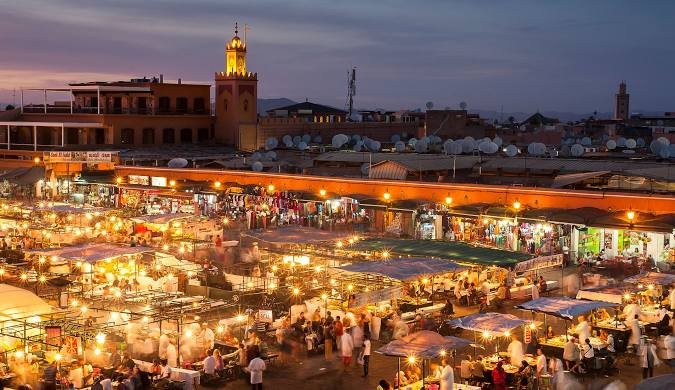
No guide to travel in Morocco would be complete without highlighting Marrakech, the pulsating heart of Moroccan tourism. The city’s nickname comes from its distinctive red sandstone buildings that glow magnificently at sunset. At the center of it all is Jemaa el-Fnaa, a UNESCO-recognized square that transforms throughout the day—from a market selling fresh orange juice and traditional medicines to an evening carnival filled with snake charmers, acrobats, storytellers, and food stalls offering authentic Moroccan cuisine.
Beyond the square, Marrakech offers the serene Jardin Majorelle, once owned by Yves Saint Laurent, the ornate Bahia Palace with its stunning courtyards, and countless riads (traditional Moroccan houses) that have been converted into boutique hotels. The souks of Marrakech are a treasure trove where you can purchase everything from handwoven carpets to traditional leather babouches, making it a paradise for those who love to shop while they travel in Morocco.
Fes: The Spiritual and Cultural Heart
Fes represents Morocco in its most authentic form. The medina of Fes el-Bali is the world’s largest car-free urban zone, a maze of over 9,000 alleyways where donkeys and handcarts remain the primary means of transport. This is where you’ll find the famous tanneries, where leather has been dyed using traditional methods for over a millennium. The sight of the honeycomb-shaped vats filled with vibrant natural dyes is one of the most photographed scenes for those who travel in Morocco.
Fes is also home to the University of Al Quaraouiyine, making it a center of Islamic scholarship and Arabic learning. The spiritual atmosphere, combined with the city’s commitment to preserving traditional crafts like pottery, metalwork, and wood carving, makes Fes essential for understanding Morocco’s cultural depth.
Chefchaouen: The Blue Pearl of the Rif Mountains
Nestled in the Rif Mountains, Chefchaouen is Morocco’s most photogenic town, famous for its buildings painted in various shades of blue. Founded in 1471 as a fortress to fight Portuguese invasions, the town has evolved into a peaceful retreat that offers a stark contrast to Morocco’s bustling imperial cities. The blue color, according to local legend, was introduced by Jewish refugees in the 1930s and represents the sky and heaven.
For photographers and Instagram enthusiasts planning to travel in Morocco, Chefchaouen is absolute paradise. Every corner reveals a new shade of blue, from powder blue to deep indigo, creating an otherworldly atmosphere. The town also serves as an excellent base for hiking in the Rif Mountains and exploring traditional Berber villages.
Merzouga and the Sahara Desert: Morocco’s Ultimate Adventure
No Morocco travel tips list would be complete without emphasizing the transformative experience of the Sahara Desert. Merzouga, a small village on the edge of Erg Chebbi (a spectacular sea of sand dunes), is the gateway to this bucket-list adventure. Here, you can embark on a camel trek at sunset, riding into the desert as the dunes turn from gold to deep orange and finally to purple.
Spending a night in a traditional Berber camp under a canopy of stars, with no light pollution for hundreds of miles, is often cited by travelers as the highlight of their Moroccan journey. The silence of the desert, interrupted only by the wind sculpting the dunes, provides a profound sense of peace and perspective that’s impossible to find elsewhere.
Casablanca: Morocco’s Modern Face
While often overlooked by tourists rushing to the imperial cities, Casablanca represents modern Morocco. The Hassan II Mosque, with its minaret rising 210 meters above the Atlantic Ocean, is one of the largest mosques in the world and a masterpiece of contemporary Moroccan architecture. Unlike most mosques in Morocco, non-Muslims can take guided tours of this spectacular building.
Casablanca also offers excellent dining, contemporary art galleries, and the beautiful Corniche waterfront, showing visitors that Morocco is not just about ancient medinas but also a forward-thinking nation.
Essential Morocco Travel Tips for an Unforgettable Journey
Best Time to Visit Morocco
Timing is crucial when you travel in Morocco. The country experiences distinct seasons, and choosing the right time can make or break your experience. Spring (March to May) and autumn (September to November) offer the most pleasant weather across the country, with comfortable temperatures and minimal rainfall. These shoulder seasons also mean fewer crowds at major attractions and better rates at accommodations.
Summer (June to August) can be scorching hot, especially in Marrakech and the desert regions, with temperatures regularly exceeding 40°C (104°F). However, coastal cities like Essaouira and the mountain retreats remain pleasant. Winter (December to February) is ideal for southern Morocco and the Sahara, though the Atlas Mountains can be quite cold, even experiencing snowfall.
Language and Communication
While Modern Standard Arabic and Berber (Tamazight) are Morocco’s official languages, the country’s colonial history means French is widely spoken, especially in cities and tourist areas. In northern Morocco, particularly near Tangier and Tetouan, Spanish is also common. English is increasingly spoken in tourist areas, hotels, and restaurants, but learning a few basic phrases in Darija (Moroccan Arabic) will earn you smiles and better interactions with locals.
Essential phrases include “Salam alaikum” (hello), “Shukran” (thank you), “Inshallah” (God willing), and “B’saha” (to your health, said after meals). Even attempting these basic words shows respect for Moroccan culture and can greatly enhance your travel experience.
Cultural Respect and Dress Code
Morocco is a predominantly Muslim country with conservative values, especially outside major cities. When you travel in Morocco, dressing modestly is both respectful and practical. For women, this means covering shoulders and knees, and carrying a scarf for visiting mosques or more traditional areas. Men should avoid wearing shorts in religious sites and traditional neighborhoods.
During Ramadan, the Islamic holy month of fasting, eating, drinking, or smoking in public during daylight hours is considered disrespectful. Many restaurants close during the day, though tourist establishments typically remain open with discretion.
Currency and Bargaining
The Moroccan Dirham (MAD) is the local currency, and while credit cards are accepted in hotels and upscale restaurants, cash is king in souks, taxis, and smaller establishments. ATMs are widely available in cities. Bargaining is expected and part of the cultural experience when shopping in medinas and souks. Start at about 50% of the asking price and negotiate respectfully—it should be fun, not confrontational.
Safety and Practical Considerations
Morocco is generally safe for tourists, with low crime rates compared to many Western countries. However, petty theft can occur in crowded areas, so keep valuables secure. Licensed tour guides wear official badges—beware of unofficial guides who may overcharge or take you to shops for commission. When taking taxis, insist on using the meter (compteur) or agree on a price before starting your journey.
Conclusion: Begin Your Moroccan Adventure
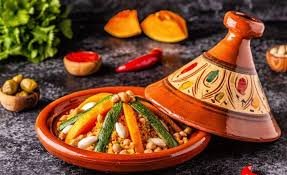
Travel in Morocco is an adventure that stays in your heart forever. From the architectural wonders of the imperial cities to the endless sands of the Sahara, from the blue streets of Chefchaouen to the bustling souks of Marrakech, Morocco offers experiences that appeal to every type of traveler. Whether you’re a history enthusiast fascinated by dynastic heritage, an adventure seeker ready to trek through the Atlas Mountains, a foodie eager to taste authentic tagines and couscous, or a culture lover wanting to immerse yourself in traditional crafts and customs, Morocco delivers on every front.
The country’s unique position at the crossroads of Africa, Europe, and the Arab world has created a cultural melting pot that is both exotic and accessible, foreign yet welcoming. The warmth of Moroccan hospitality, encapsulated in the saying “The guest is from God,” ensures that visitors feel not just welcomed, but cherished.
Start planning your journey today with a comprehensive Morocco trip planner, research the best places to visit in Morocco, and prepare yourself for a transformative experience. Consider working with local guides who can provide insider knowledge, help navigate the medinas, and share stories that bring Morocco’s history to life. Book your accommodations in advance, especially during peak season, and don’t over-schedule Morocco is best experienced when you allow time to wander, to get lost in the souks, to linger over mint tea, and to embrace the slower pace of life.
Your Moroccan adventure awaits, promising memories that will last a lifetime and a deep connection to a land where ancient traditions and modern aspirations coexist in perfect harmony. From the moment you arrive and breathe in the unique scent of Morocco a blend of spices, orange blossoms, and cedar you’ll understand why travelers have been captivated by this magical kingdom for centuries.